


This festive season, we wanted to think about the traditions, icons, and themes that help to make the Christmas season feel festive every year.
Many of the Christmas traditions we enjoy today have fascinating stories that go back centuries. From decorating evergreen trees to exchanging gifts, each custom has roots in ancient rituals, cultural celebrations, and religious practices. In this post, we’ll uncover the history behind some of the most common Christmas traditions and explore how they evolved into the holiday customs we know and love today. We have paired them with some of our favourite festive titles that we have been sharing throughout December.
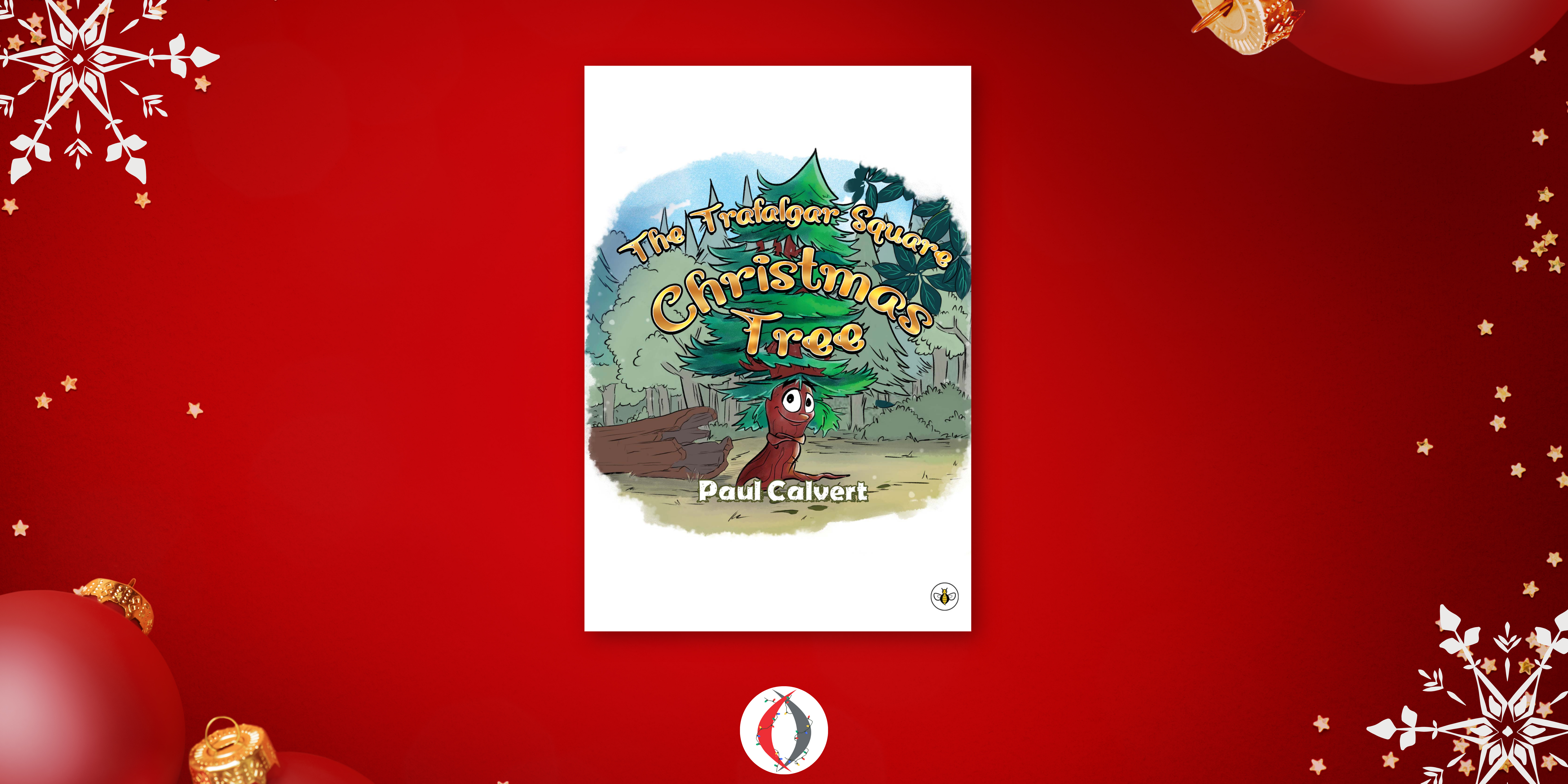
The Christmas Tree
The tradition of the Christmas tree began in Germany in the late Middle Ages, where evergreen trees were brought indoors and decorated as symbols of life and hope during the winter. Evergreens were believed to represent renewal because they stayed green even in the coldest months. By the 16th century, German Christians were decorating trees with candles and ornaments to celebrate Christmas. The custom later spread to other parts of Europe and eventually to the rest of the world, becoming a central symbol of the holiday.
We wanted to highlight ‘The Trafalgar Square Christmas Tree’ by Paul Calvert
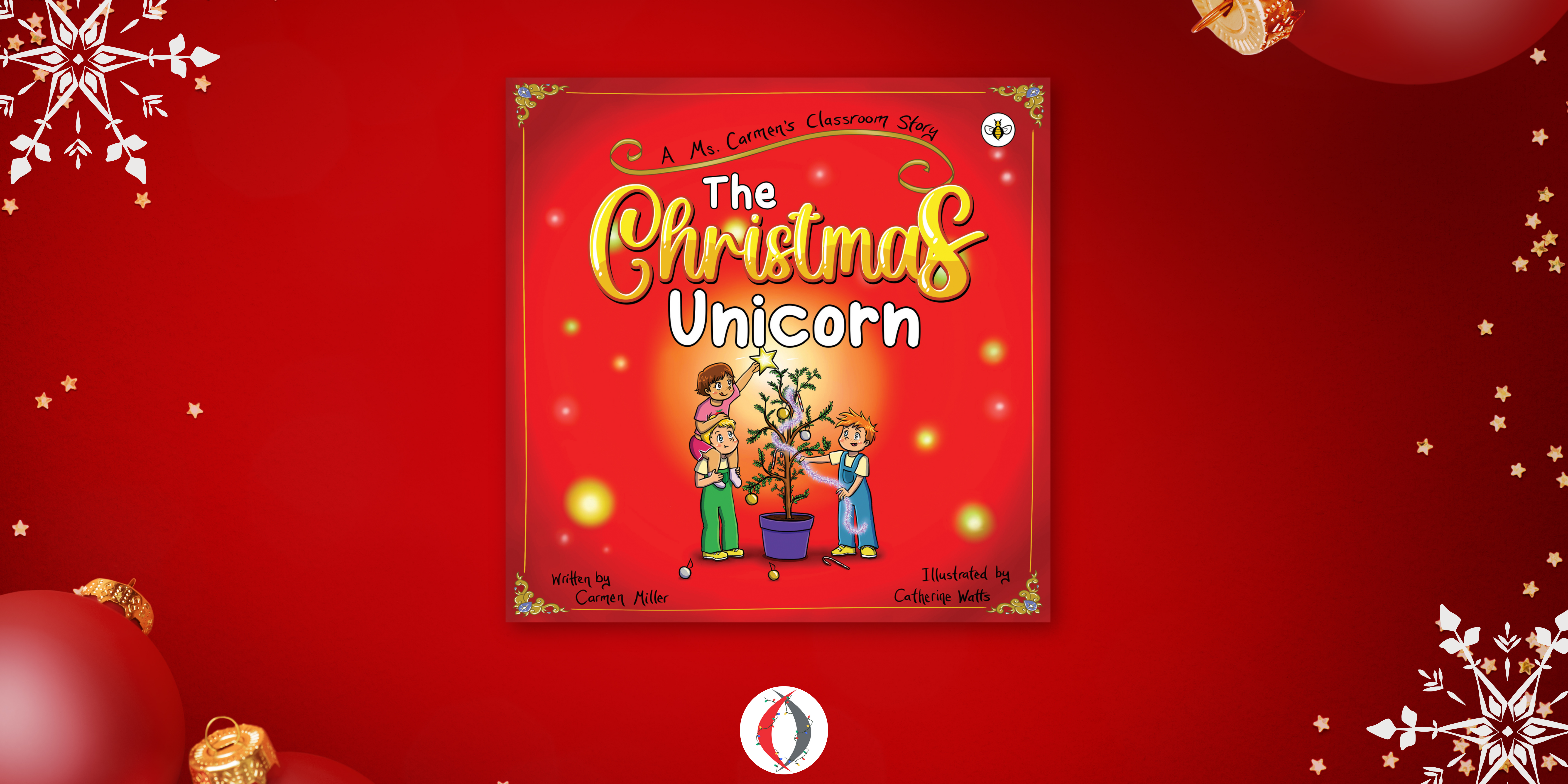
Gift giving
The tradition of giving gifts at Christmas has its origins in both religious and historical practices. For Christians, it is linked to the biblical story of the Three Wise Men, who brought gifts to the baby Jesus as a sign of honour and devotion. Gift-giving was also influenced by earlier Roman winter festivals, such as Saturnalia, when people exchanged presents to celebrate goodwill and community. Over time, these traditions blended, and giving gifts became a way to express generosity, love, and togetherness during the Christmas season.
Which we thought linked perfectly with ‘The Christmas Unicorn’ by Carmen Miller
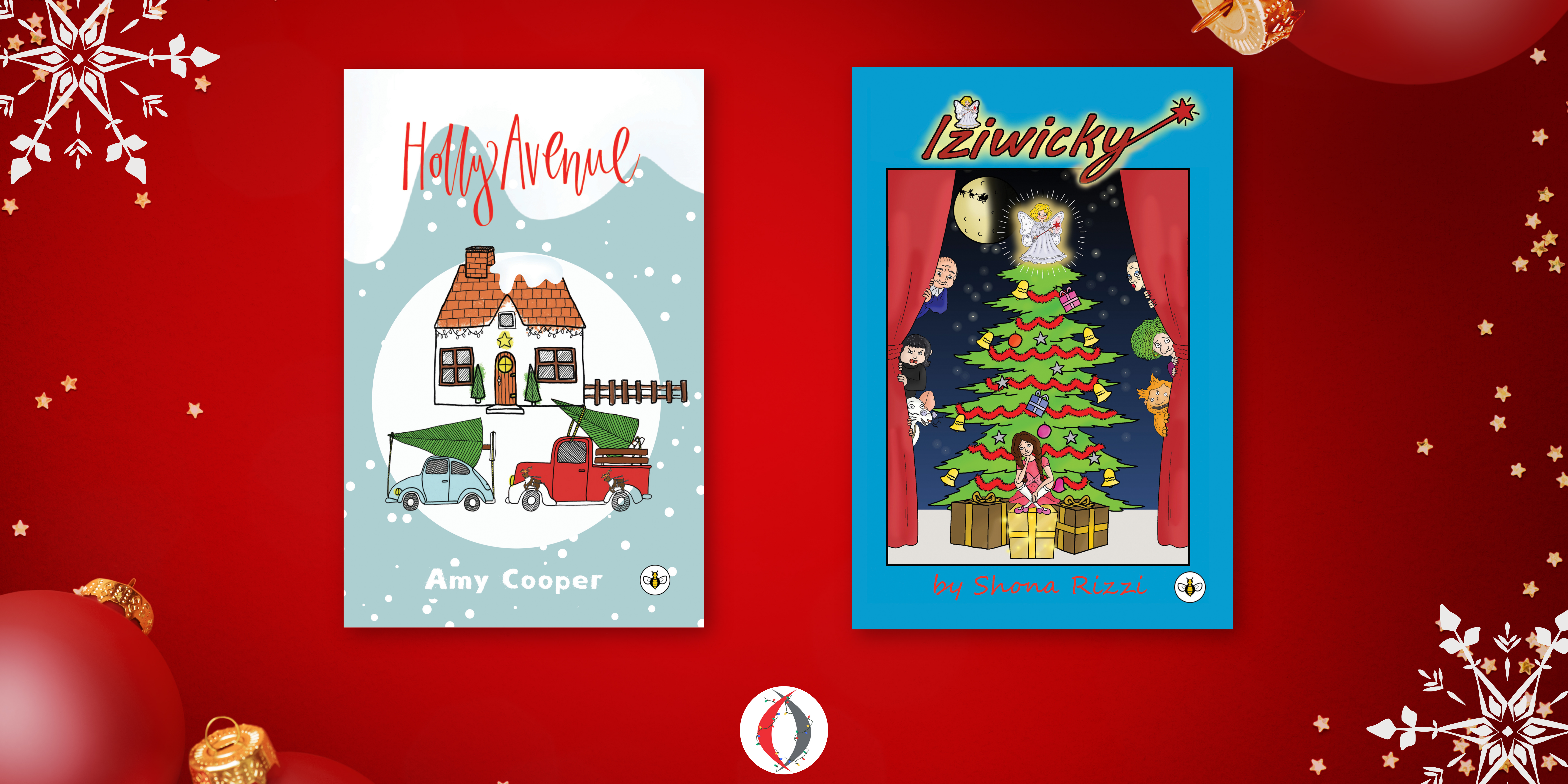
Decorating
The tradition of decorating at Christmas comes from ancient winter customs that celebrated light, life, and hope during the darkest time of the year. People used evergreens, wreaths, and holly to symbolize renewal and protection, believing these plants held special meaning because they stayed green in winter. As Christianity spread, these decorations were adapted to celebrate the birth of Jesus, with lights representing hope and joy. Over time, decorating homes and public spaces became a way to mark the season and create a festive, welcoming atmosphere.
Which we paired with ‘Holly Avenue’ by Amy Cooper and ‘Iziwicky’ by Shona Rizzi
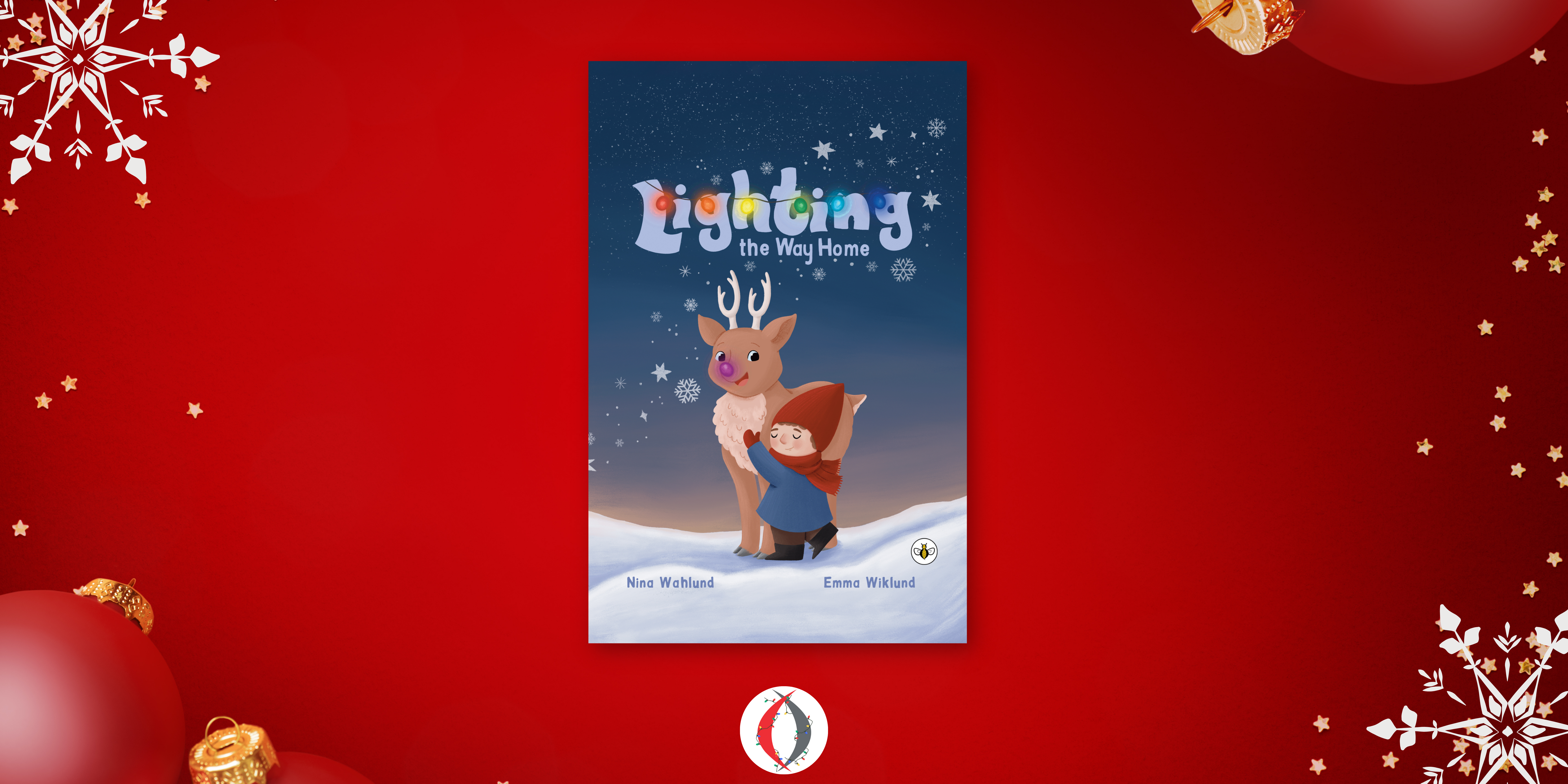
Reindeer
The association of reindeer with Christmas comes mainly from 19th-century stories and traditions from northern Europe. Reindeer were commonly used by the Sámi people of Scandinavia for transportation and survival, making them a natural symbol of winter in snowy regions. In 1823, the poem “A Visit from St. Nicholas” (also known as “’Twas the Night Before Christmas”) popularized the idea of Santa Claus being pulled by a team of reindeer. From then on, reindeer became a lasting part of Christmas imagery, representing winter magic and the spirit of the holiday.
We highlighted ‘Lighting The Way Home’ by Nina Wahlund

Snow and Snowmen
The tradition of snow and snowmen at Christmas comes from the winter climate of Europe, where Christmas was often celebrated during cold, snowy months. Snow became linked with the holiday because it was a common part of daily life and helped create a sense of seasonal atmosphere. Snowmen grew popular in the 19th century, especially through winter festivals, illustrations, and Christmas cards that showed cheerful scenes of snowy landscapes. Over time, snow and snowmen became symbols of winter fun, nostalgia, and the magical feeling associated with Christmas.
For this, we highlighted‘Mojo in the Snow’ by Gareth Wokes, ‘Tom Tunnel’s Christmas’ by Paul Diggens, and ‘Everything You Never Wanted To Know About Polar Expeditions’ by Pawel Skiba
Christmas Baking
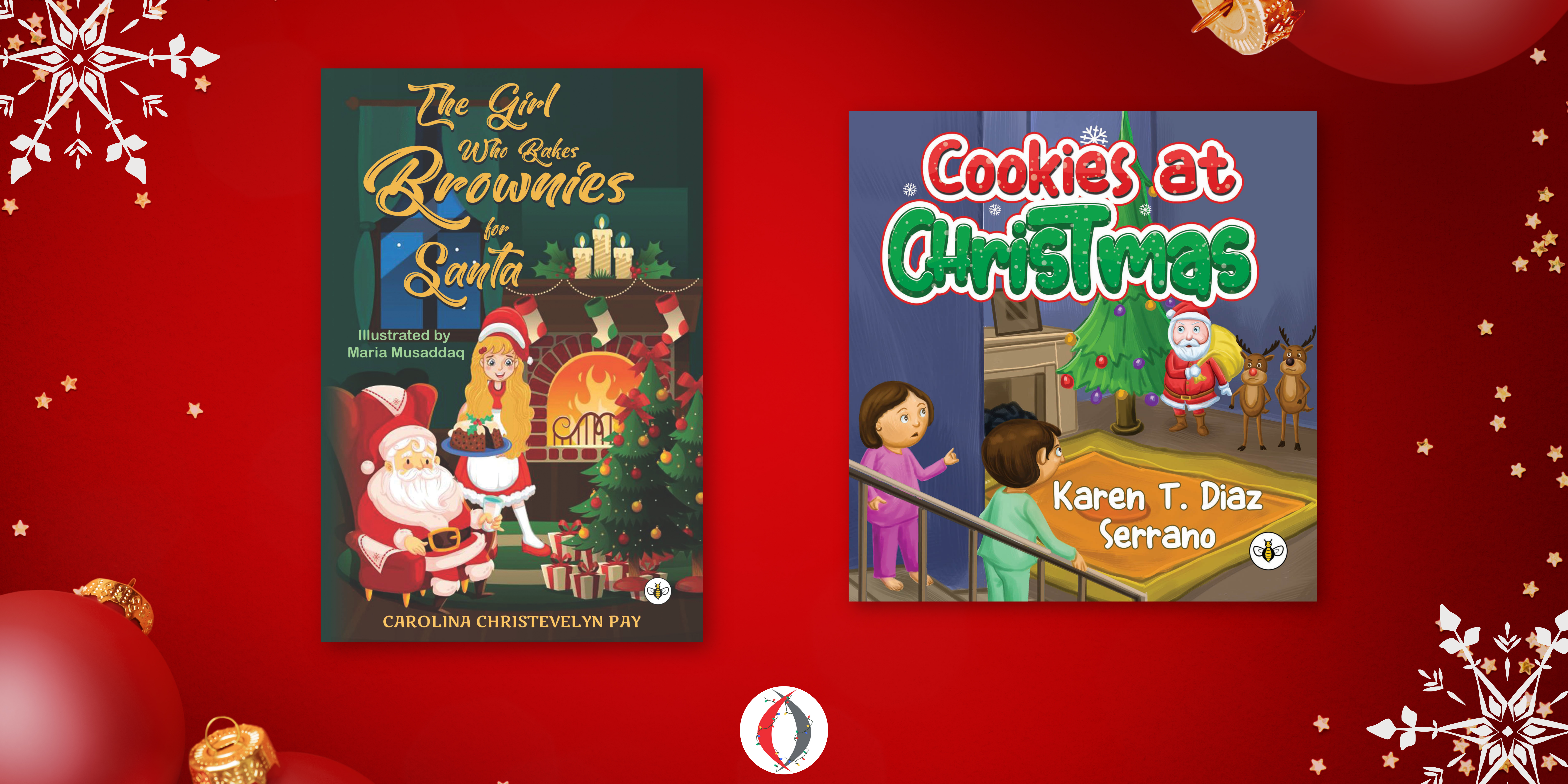
The tradition of baking at Christmas has its roots in European winter celebrations, where special foods were prepared to mark important holidays. During the Middle Ages, spices like cinnamon, ginger, and nutmeg became popular and were used to make festive treats such as gingerbread and cookies. Baking during Christmas was a way to celebrate abundance, share food with family and neighbors, and bring warmth during the cold season. Over time, these customs became cherished traditions, with families baking together to celebrate togetherness and the joy of the holiday.
We linked this with ‘The Girl Who Bakes Brownies for Santa’ by Carolina Christevelyn Pay and ‘Cookies at Christmas’ by Karen T. Diaz Serrano
The Star
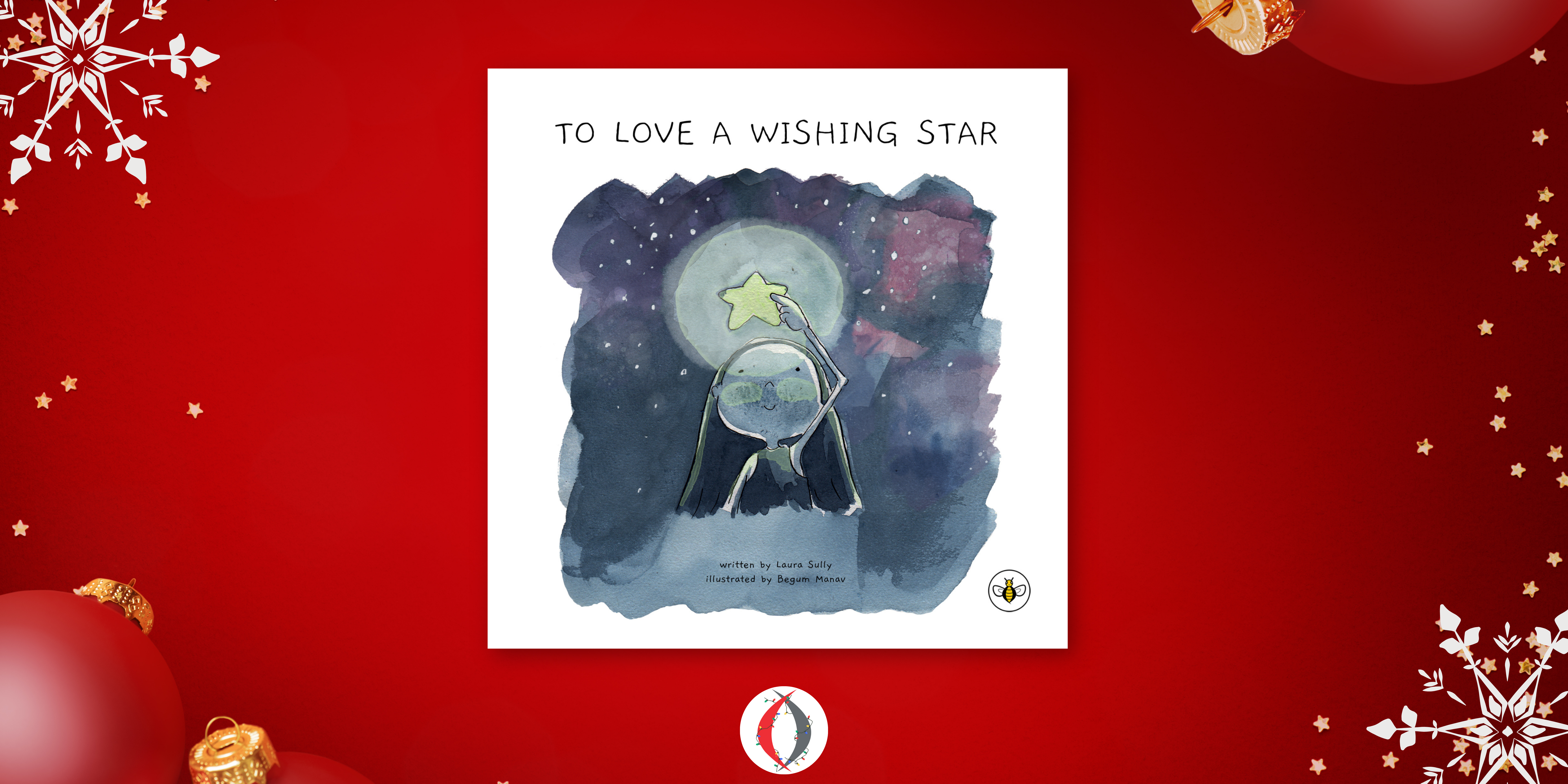
The tradition of the star at Christmas comes from the Christian story of the Star of Bethlehem, which is said to have guided the Wise Men to the birthplace of Jesus. The star symbolizes guidance, hope, and the arrival of something special. Early Christians began using the star in decorations and artwork to represent this moment from the Nativity story. Over time, placing a star on top of the Christmas tree became a popular way to remember its meaning and to symbolize light and faith during the holiday season.
To represent this, we chose ‘To Love a Wishing Star’ by Laura Sully
A Christmas Carol
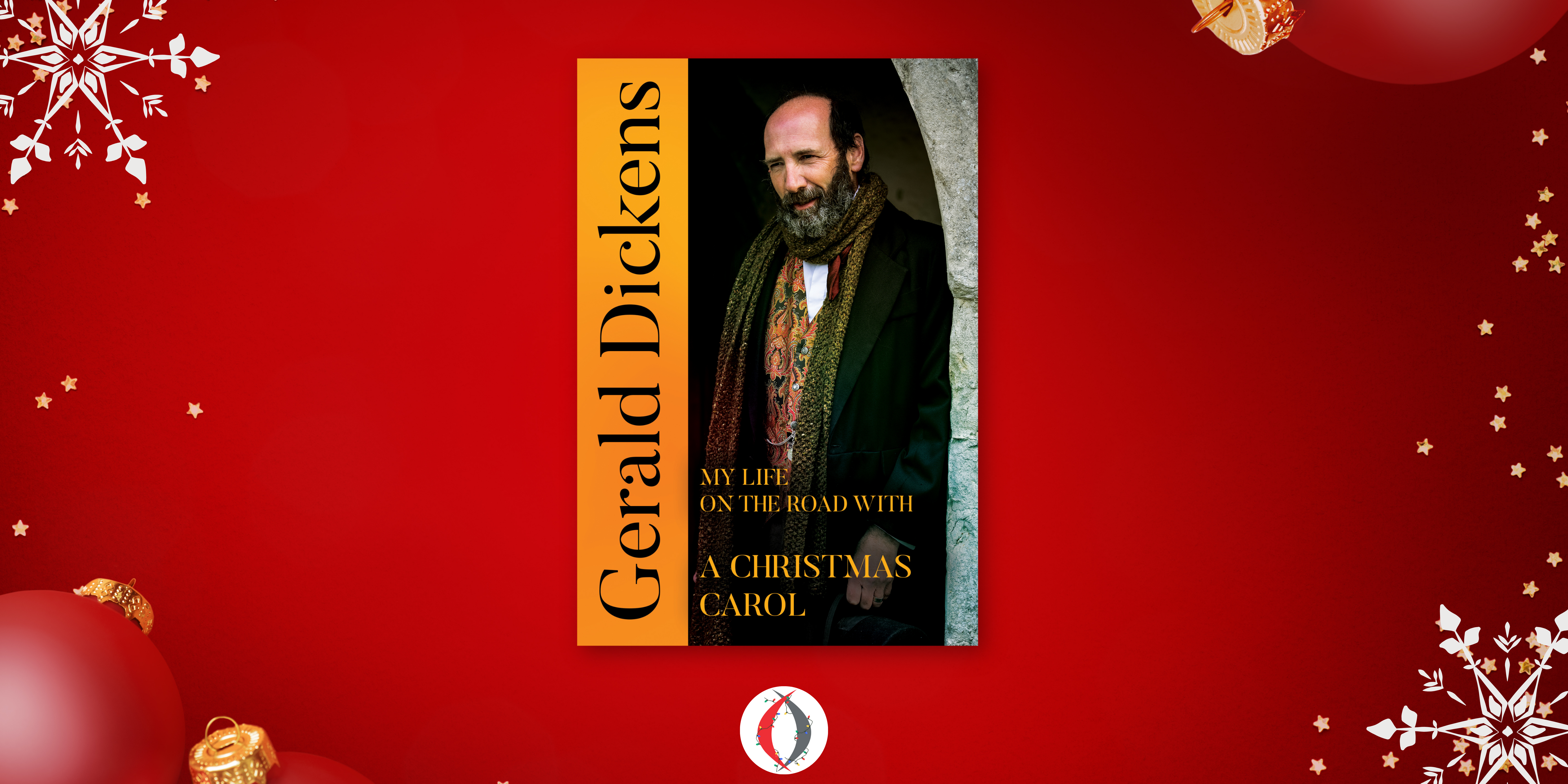
The tradition of Christmas carols began in medieval Europe, where people sang songs to celebrate religious festivals and seasonal events. Early carols were often sung in public spaces and were not limited to church settings. Over time, these songs became closely connected to Christmas and were used to tell the story of Jesus’s birth and spread joy. By the 18th and 19th centuries, Christmas carolling became a popular custom, with groups singing door to door as a way to share festive cheer and community spirit. This custom was then chosen by Charles Dickens to be the title of his classic tale ‘A Christmas Carol. "A Christmas Carol," written in 1843, was inspired by his concern for the poor and the harsh social conditions of Victorian England. Dickens wanted to highlight issues like poverty, child labor, and social injustice, while also promoting the spirit of generosity, compassion, and family during the Christmas season.
We wanted to celebrate the great great grandson of Charles Dickens with ‘Gerald Dickens: My Life on the Road With A Christmas Carol’ by Gerald Dickens.
Elf On The Shelf
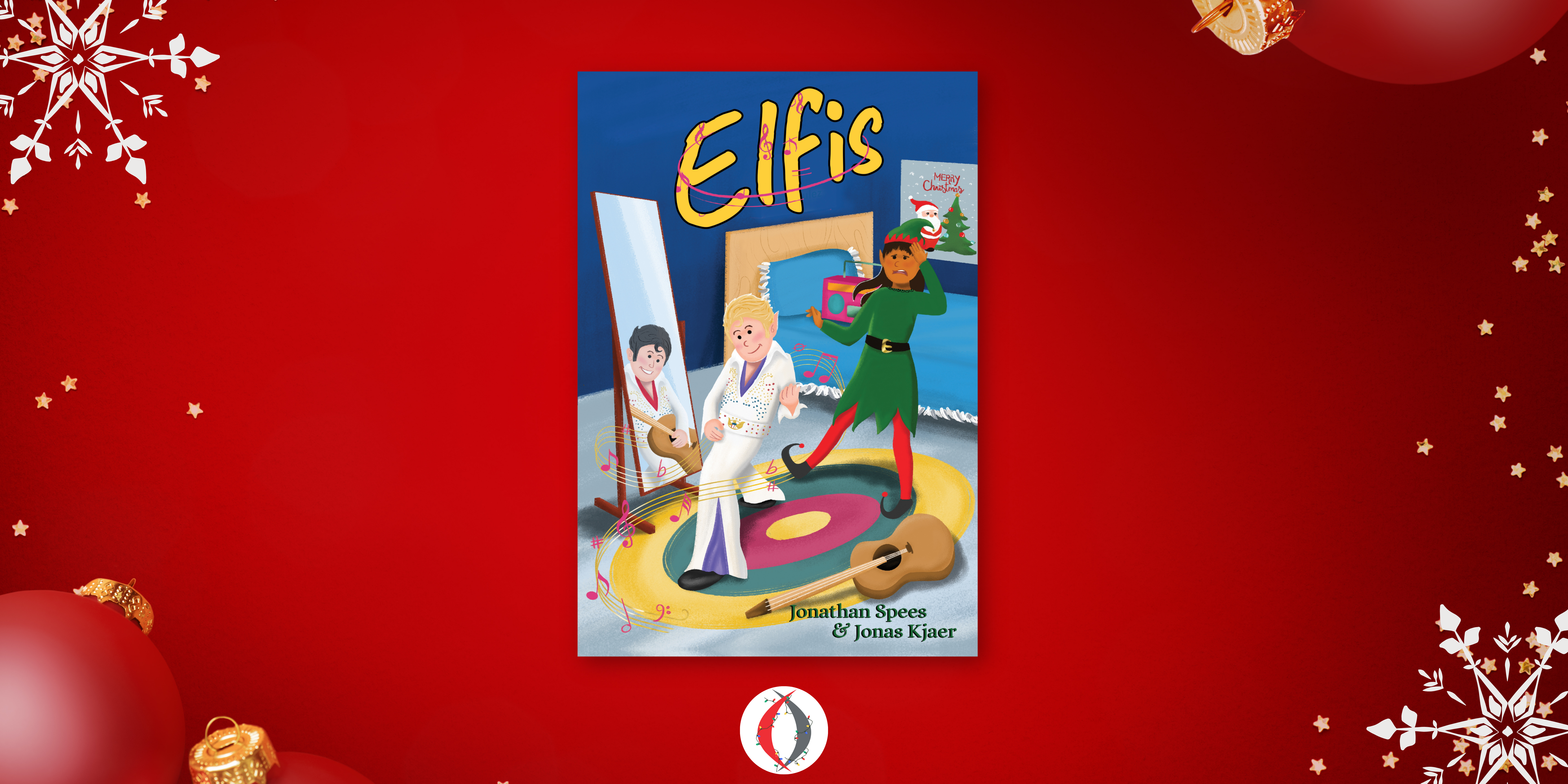
The tradition of the Elf on the Shelf is a modern Christmas custom that began in 2005 with the publication of the children’s book The Elf on the Shelf: A Christmas Tradition by Carol Aebersold and Chanda Bell. The story describes a magical elf who visits homes during December to observe children’s behaviour and report back to Santa Claus. Families place the elf in different spots each day, creating a playful game for children to find it. Although recent, the tradition quickly became popular and is now a common part of Christmas celebrations in many homes.
Which we thought linked perfectly to ‘Elfis’ by Jonathan Spees.
The Nativity
The tradition of the Nativity at Christmas comes from the Christian celebration of the birth of Jesus. It began in the 13th century when Saint Francis of Assisi created the first live Nativity scene in Italy to help people better understand the story of Jesus’s birth. The scene showed Mary, Joseph, the baby Jesus, shepherds, and animals gathered in a stable. Over time, Nativity scenes became a popular way to represent the Christmas story and are now displayed in homes, churches, and public spaces around the world.
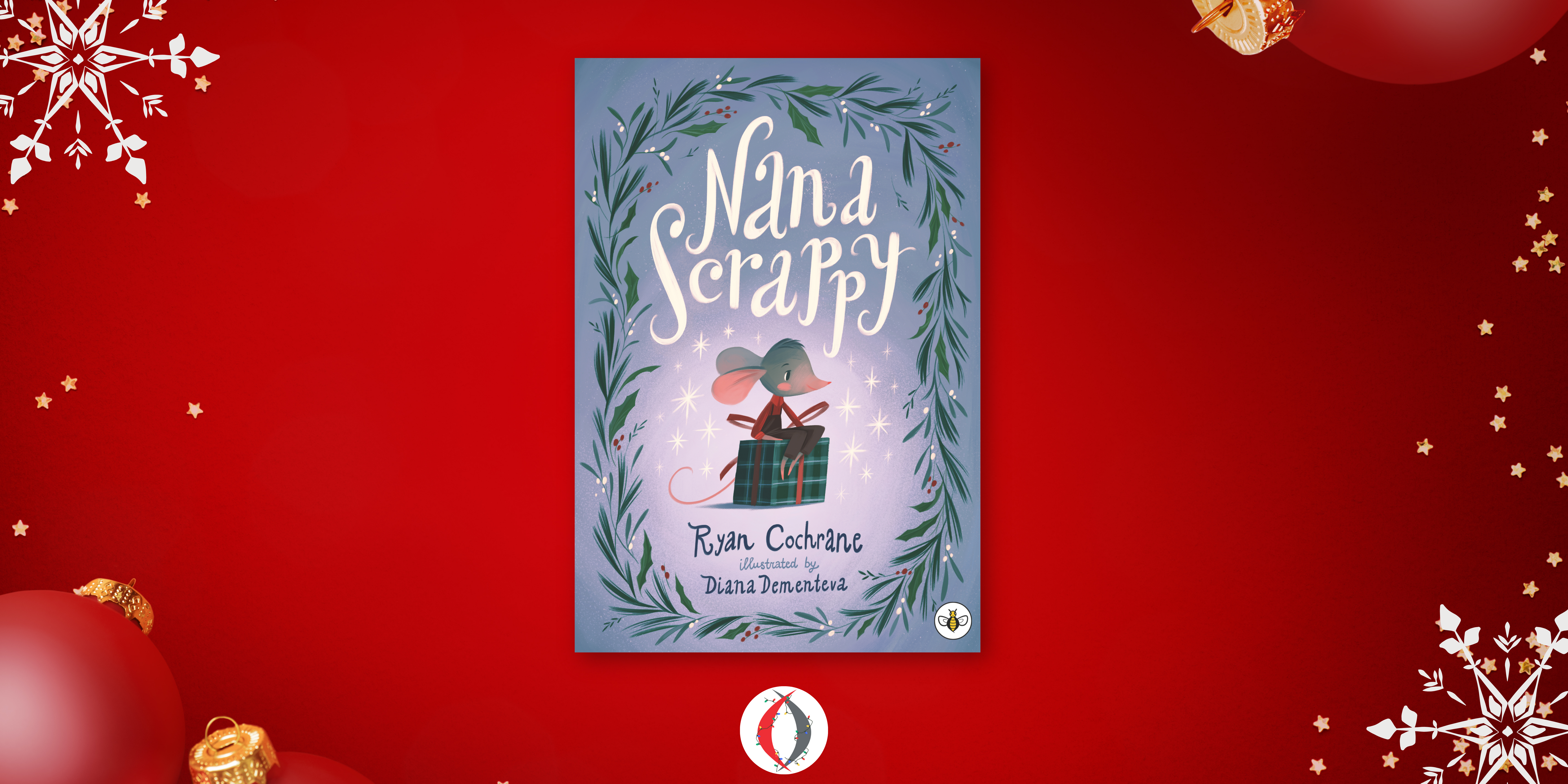
For this, we wanted to highlight ‘Nana Scrappy (Book 2)’ by Ryan Cochrane
Christmas Eve and Jólabókaflóð in Iceland
The tradition of Christmas Eve as the main day of celebration comes from many European countries, where families gather on the evening of December 24th for meals, gift-giving, and religious observances, marking the start of Christmas Day. In Iceland, this evening is also linked to the unique tradition of Jólabókaflóð, or the “Christmas Book Flood,” which began during World War II when paper was cheap compared to other goods. Families would exchange books on Christmas Eve and spend the night reading, making it an iconic Icelandic way to celebrate the holiday through stories, learning, and togetherness which has gained more attention thanks to TikTok and other social media platforms.
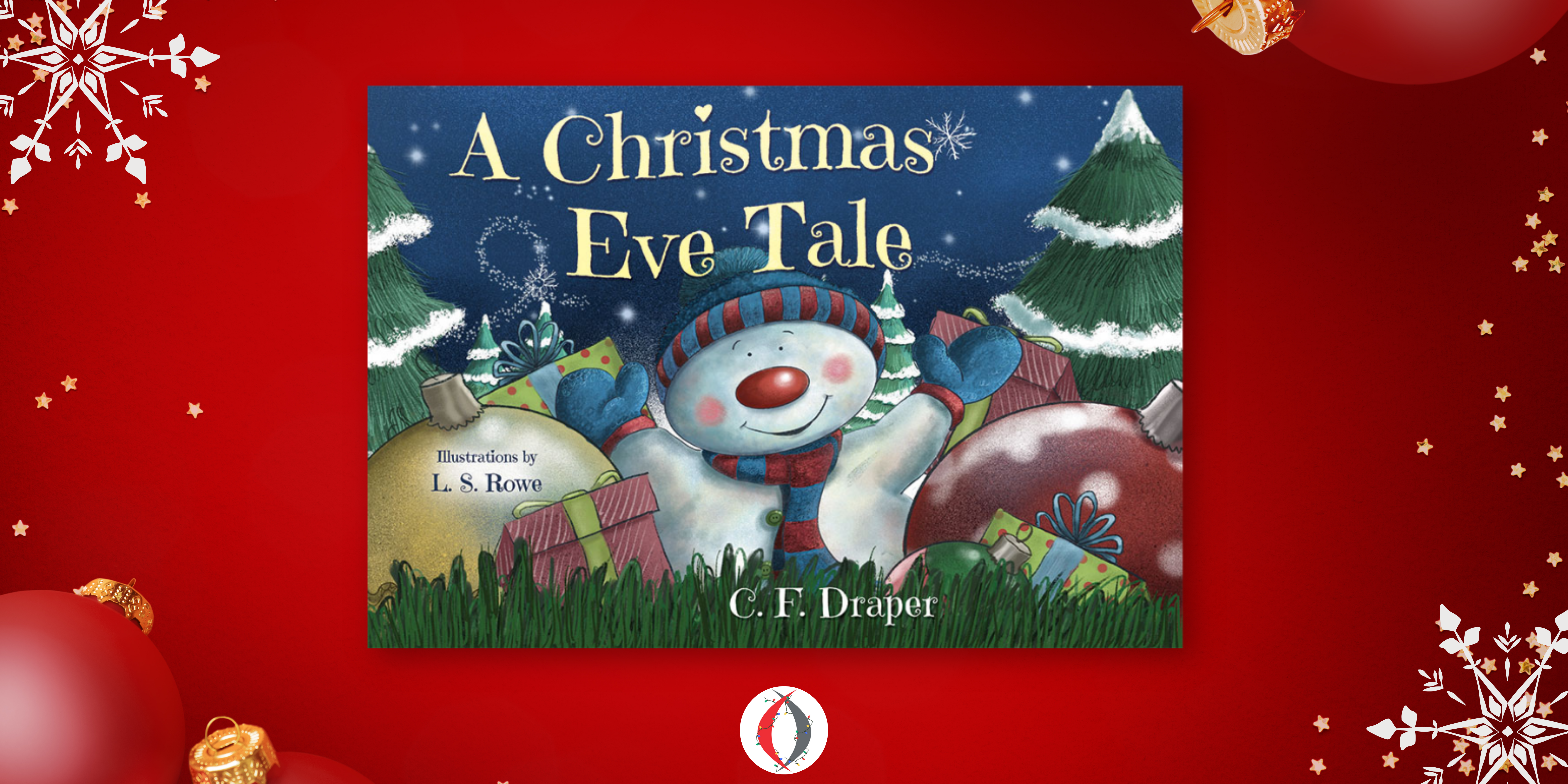
We wanted to celebrate with ‘A Christmas Eve Tale’ by Caroline Draper & Leah Rowe
And finally, Christmas Day
The tradition of Christmas Day, celebrated on December 25th, originates from early Christian efforts to mark the birth of Jesus Christ. While the exact date of Jesus’s birth is unknown, December 25th was chosen in the 4th century, possibly to align with existing winter festivals like the Roman Saturnalia and the pagan celebration of the winter solstice. Over time, Christmas Day became a religious and cultural holiday, focusing on worship, family gatherings, feasting, and the exchange of gifts, blending Christian traditions with local customs to create the festive holiday we know today.
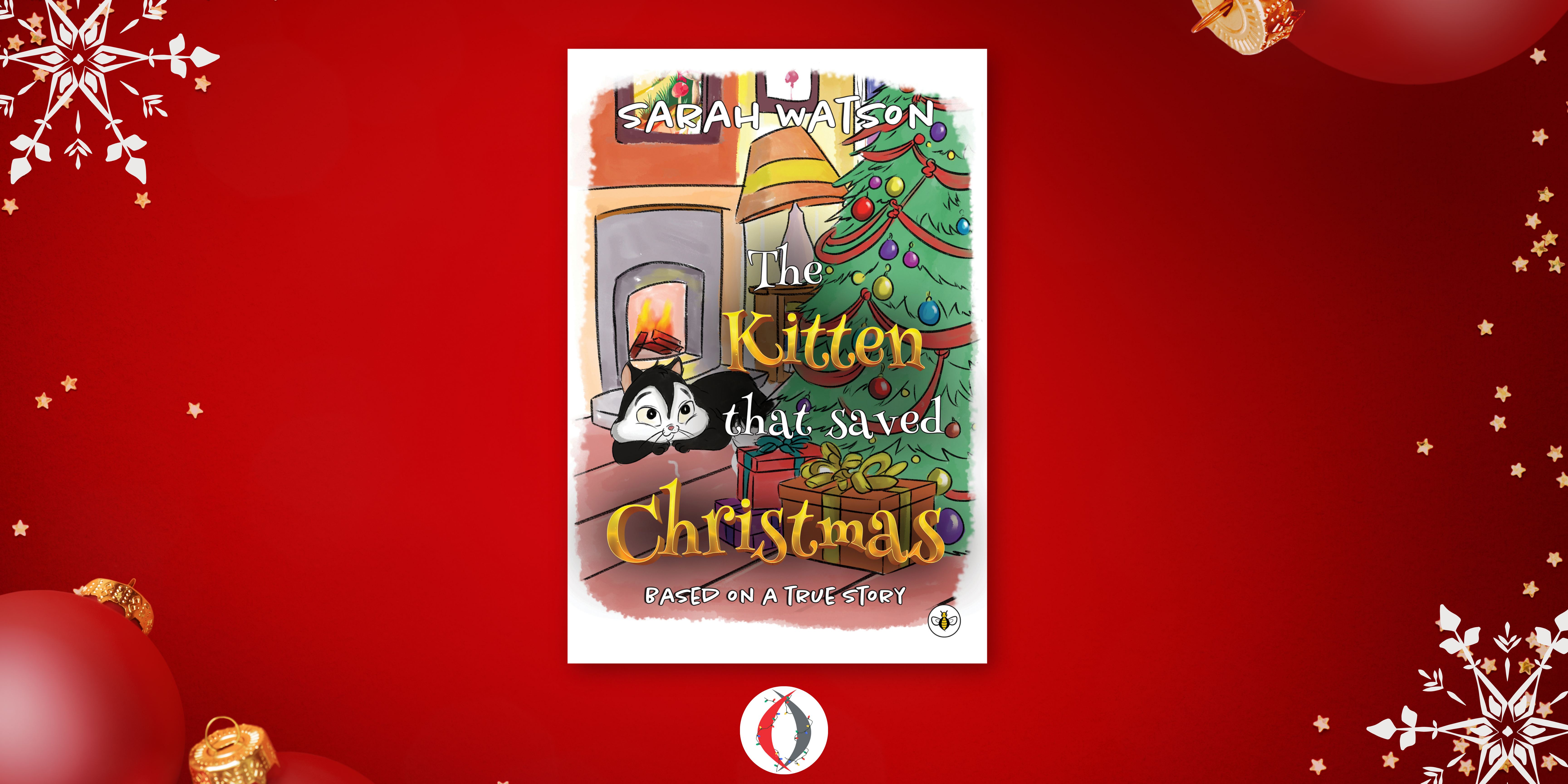
To celebrate, we wanted to highlight ‘The Kitten That Saved Christmas’ by Sarah Watson
We want wish you all a wonderful Christmas from all of us here at Olympia.
