


It’ll come as no surprise that at Bumblebee Books, we love our black and yellow fuzzy friends. Bees are a vital part of our world. Nature would struggle greatly if they were to disappear, which is why we are so proud to publish books that help educate readers on the importance of bees.
This is Noel Smith’s The Adventures of Mr Bumble.
.png)
You may spot bees out in your garden - or down at the park - flying in and out of flower heads. What they’re doing, collecting nectar and seeds, means that 90% of the world’s wild plants will continue growing through a process called pollination. They take the nectar from flowers, in exchange for spreading the flower's seeds on their path back to the hive. Bees can even cross-pollinate when mixing two types of flowers together! The result is a vibrant, colourful and healthy natural world!
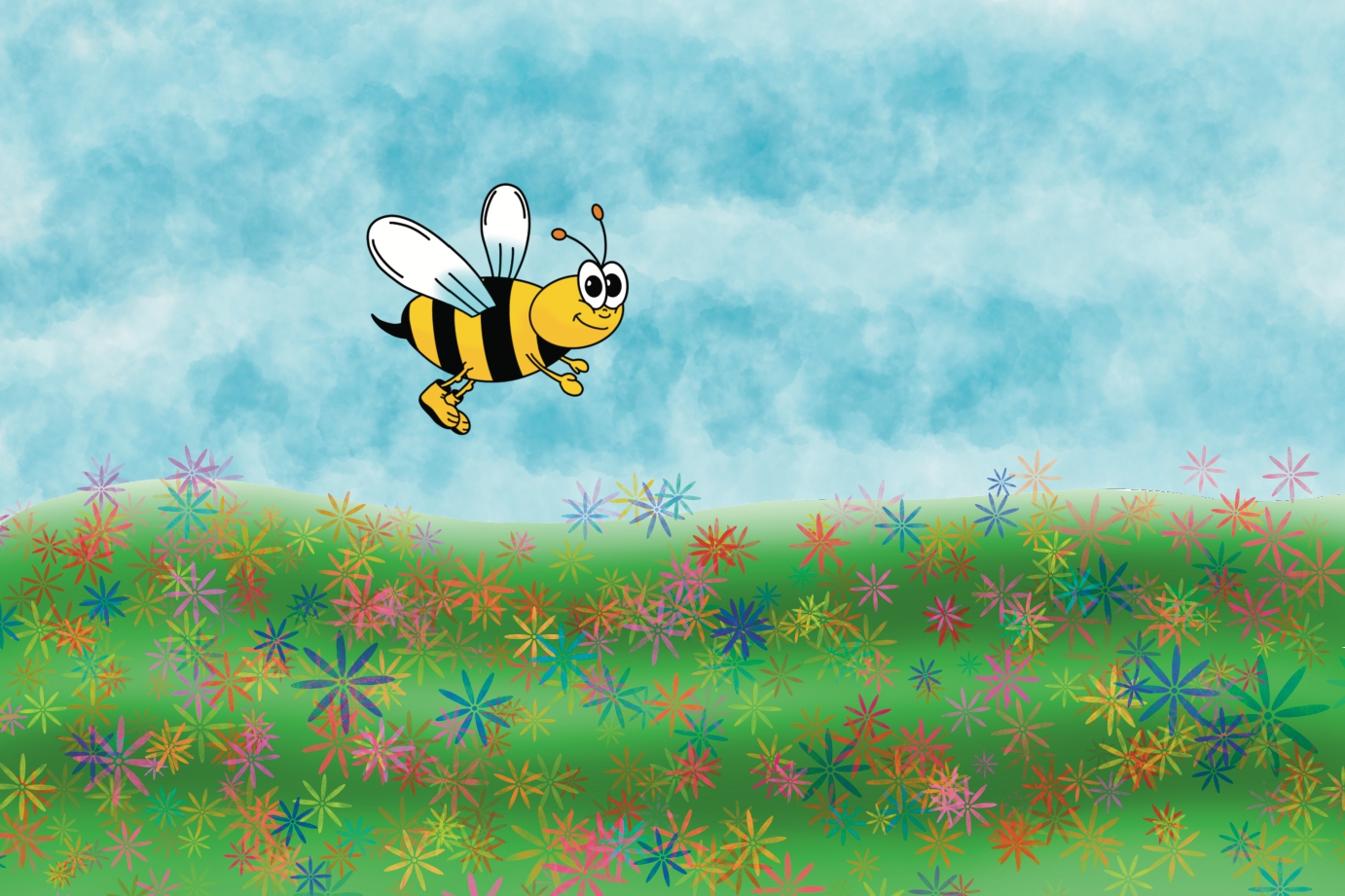
Bees get excited when they find a good collection of pollen and must notify their friends that the supply is nearby. To let fellow bees know, they’ll perform a ‘waggle dance’, which tells others the direction and distance to the flowers in question. A figure-of-eight movement and a shake of the body is all that’s required for more bees to come and collect more nectar.
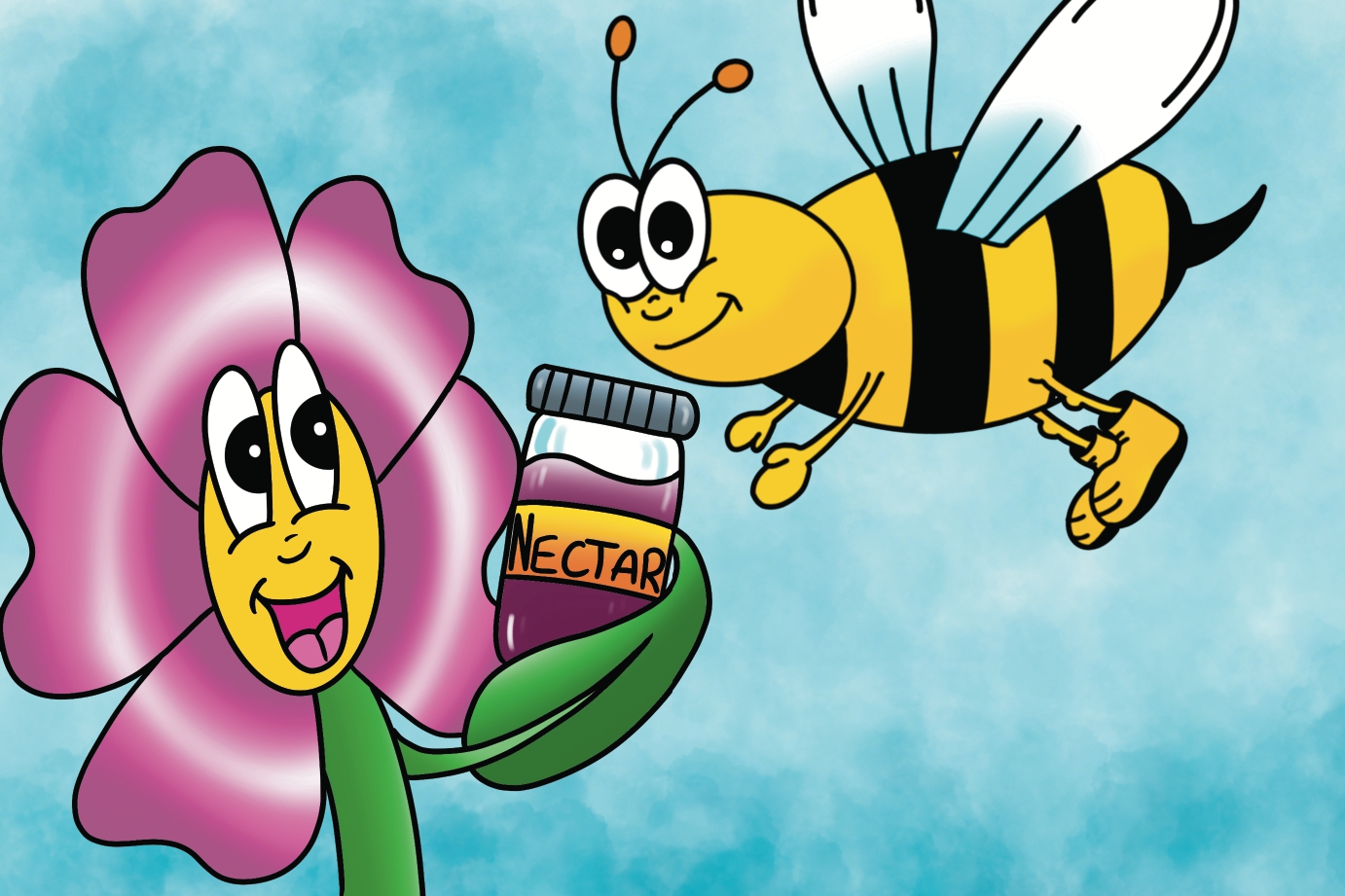
It’s not just flowers that bees help pollinate - it's fruit and vegetables too! Lots of the world's crops are grown outside of their natural habitat, meaning bees and pollination are used by farmers to help their out-of-place foods grow. The bees are fed and happy with lots of new plants to visit, and the crops get the help they need as well! Did you know that bees help over 60% of the world’s crops grow healthy and strong?
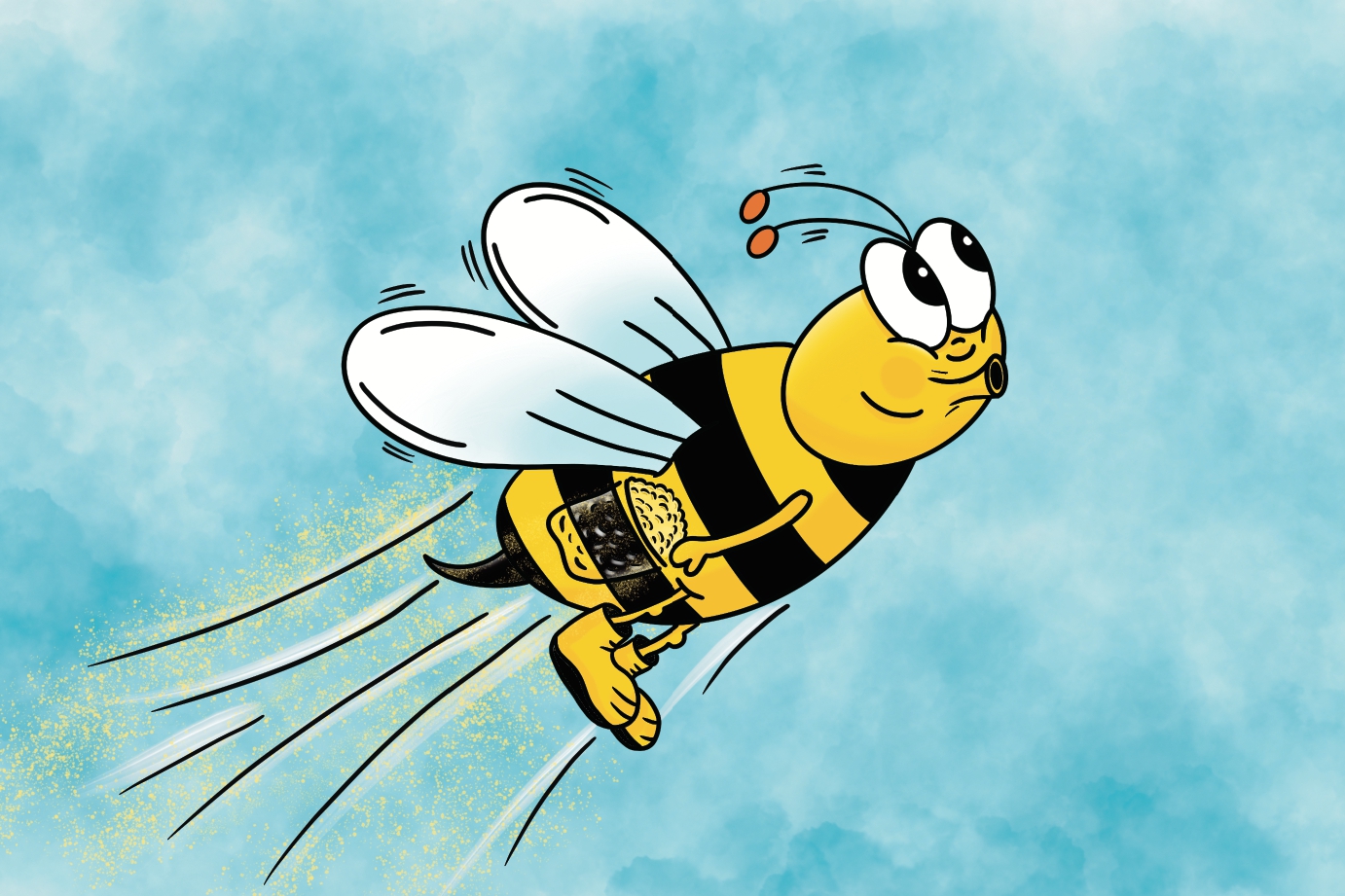
Leaving the hive can be dangerous but bees won’t be able to meet any flowers without travelling! They fly over a mile away, at up to 20 mph, using two large eyes and three ‘ocelli’ - almost antenna like - to help them navigate and not get lost. They actually have two sets of wings, but they hook together when flying for a better pace and more control. Their hairy bodies allow for the pollen to get caught and help bees carry the tasty nectar back to their hives.
In the height of summer, bee colonies can reach up to 40,000 buzzing residents for a single hive. That’s a lot of honey! When a bee arrives back home after a long day visiting flowers, they deposit their collected nectar into the holes of the hive's honeycomb. Overtime, the nectar is broken down into the slick, sugary substance that we call honey. Bees produce lots of this golden goodness so after they have their meals, lots of the honey is left over. That’s when beekeepers come in and collect up the rest for jars and shops.
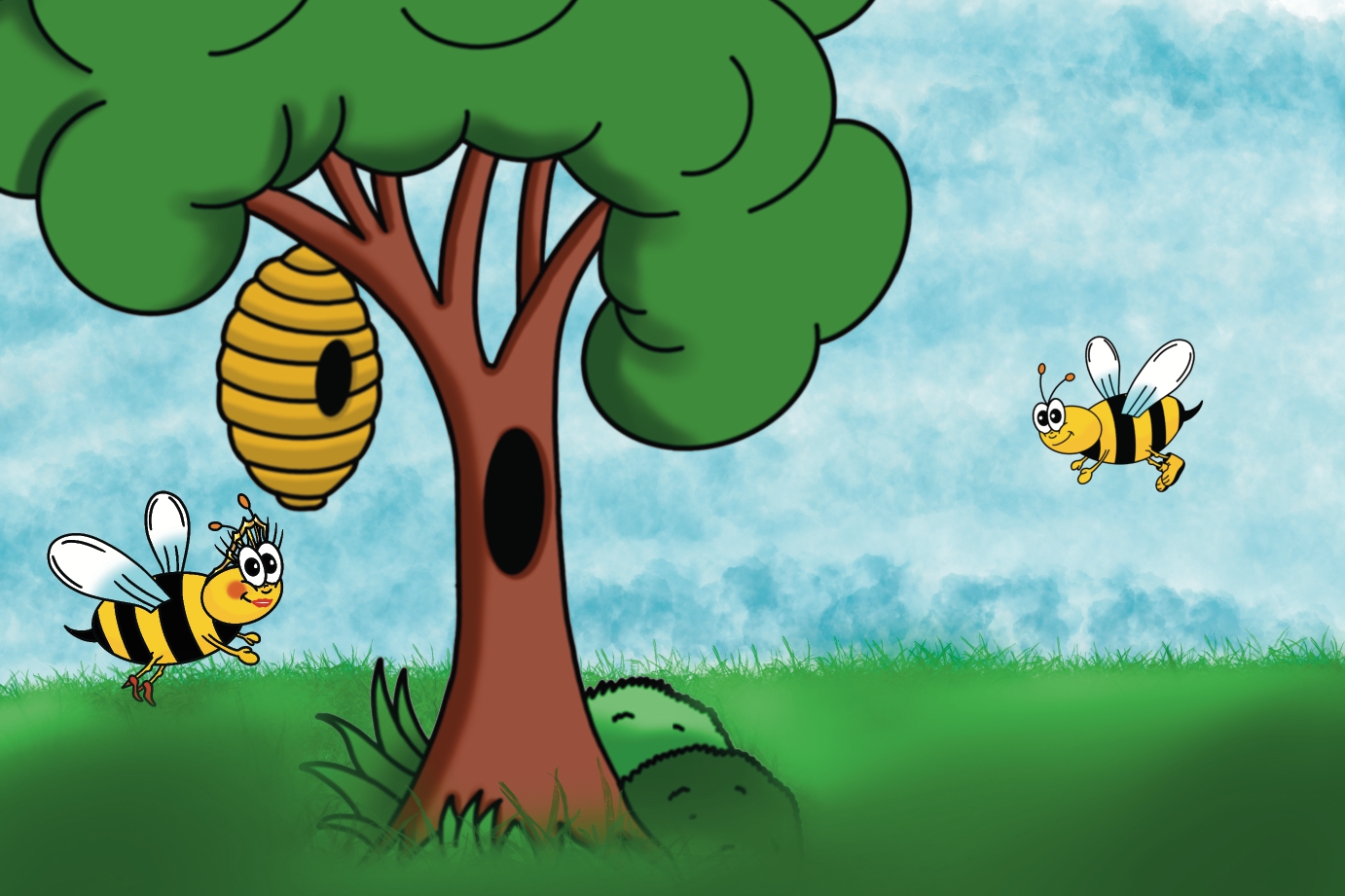
There are lots of different bees around the world, split into seven distinct ‘families’, the largest being the Apidae which bumblebees and honey bees both belong to. They are all pollinators, but not all of them live in hives - some live on the ground and some even burrow into it. Bees are some of the oldest living creatures on the planet, with species dating back as far as 120 million years ago!
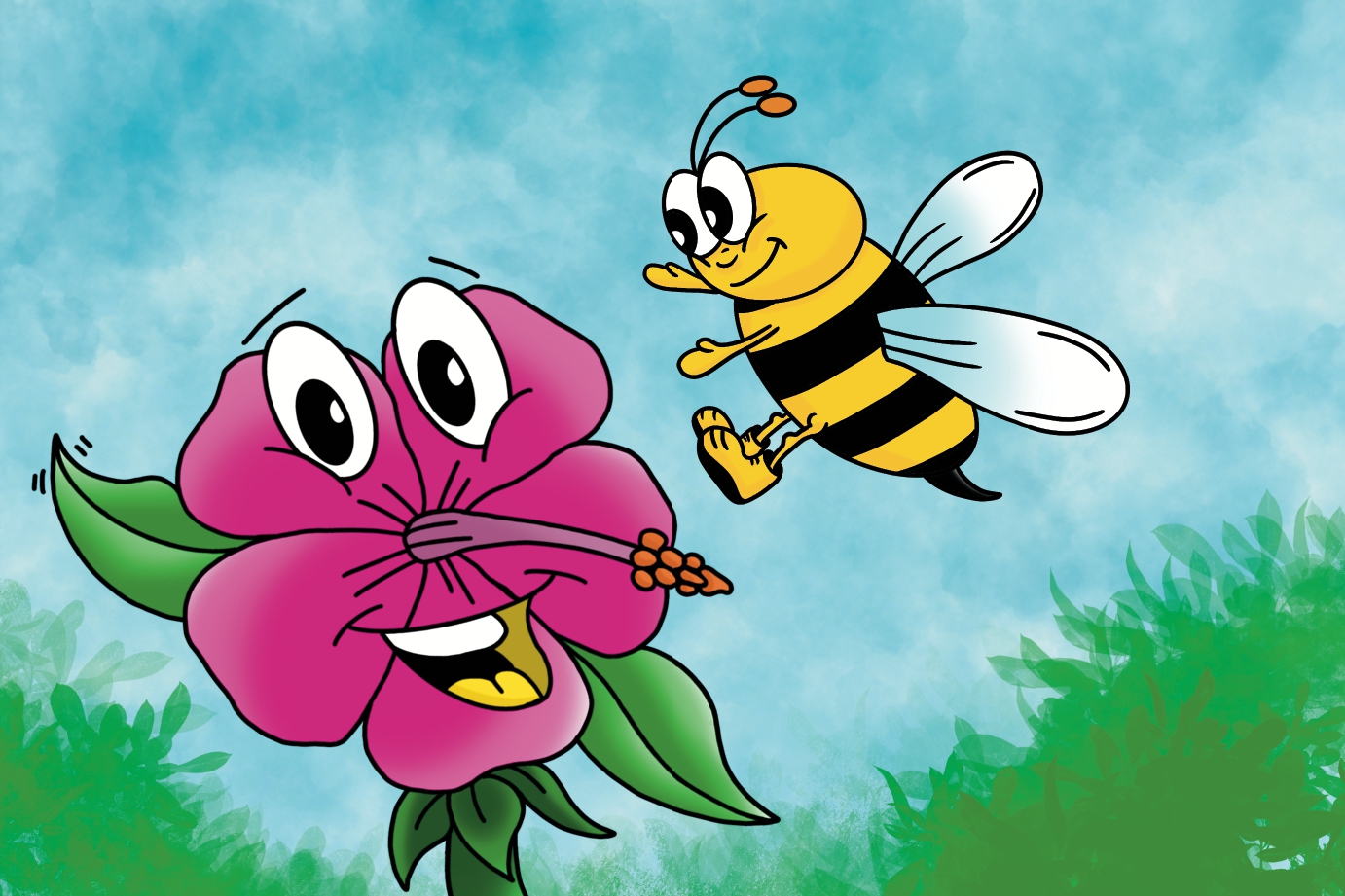
So the next time you hear a buzzing, or see a streak of yellow and black, remember to say thank you for the honey, for pollinating our flowers, for making the world look as pretty as it does - and maybe even give them a little ‘waggle dance’ of your own!
Illustrations by Richard Baird
The Adventures of Mr Bumble is available now in paperback.
