


The 13th of March marks the beginning of this year’s annual Neurodiversity Awareness Week, an initiative kickstarted in 2018 to help eliminate misconceptions surrounding neurodiversity, and also aid teachers in receiving adequate training to provide help to neurodiverse students.
Neurodiverse authors are seldom given their day in the sun, leading some to perhaps gloss over the fact that there is an abundance of them, including some very famous faces such as Lewis Carrol, Agatha Christie, Jules Verne, John Irving and Sylvia Plath.
There is an unfair stigma attached to the idea of a neurodivergent author, particularly those with dyslexia. By her own admission, Agatha Christie detailed her struggles with literacy; “Writing and spelling were always terribly difficult for me. My letters were without originality. I was…an extraordinarily bad speller and have remained so until this day” yet she is of course renowned and celebrated as a remarkable wordsmith and a world-class storyteller.
The point is, having a spellchecker next to you has absolutely no bearing on one’s ability as a storyteller and worldbuilder, or aptitude for creating memorable and fascinating characters. Join us today during this National Neurodiversity Celebration Week to highlight some wonderful neurodiverse authors from our roster.
Nick Love
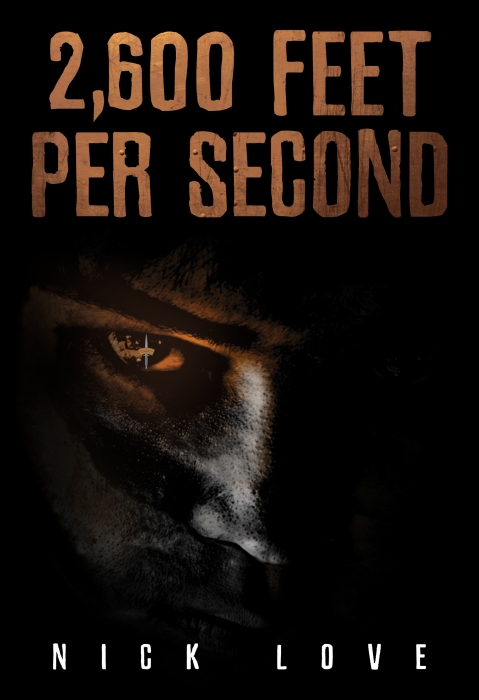
In January of this year, we published Nick Love’s “2,600 Feet Per Second”, a thrilling piece of military fiction that follows Chris, an ex-sniper who wishes to put his old life behind him and situate himself in a comfortable future with his wife and daughter, but ultimately finds himself pulled back into his past by a mysterious, vengeful foe.
The military themes in the book come from a world that Love himself has inhabited, having spent ten years in the Royal Marines, servicing 42 Commando at Bickley Barracks.
Love is very open about his lifelong affinity for writing, but he is just as open about being dyslexic, having struggled in school during the 1960s and 70s, when it was not a recognised learning difficulty. Nick was diagnosed at age thirty-five and began to formulate ideas for the story that would become “2,600 Feet Per Second”.
Nick predominantly uses simple, short sentences, with the aim of the book being easy to read. He said in an interview with Lincolnshire Today: “I wanted people with Dyslexia to know there’s no need to feel ashamed. You can give it a go. No matter what your challenge, there is always a way through it. I’m proof of that.”
You can find “2,600 Feet Per Second” on our website.
James Matthewson
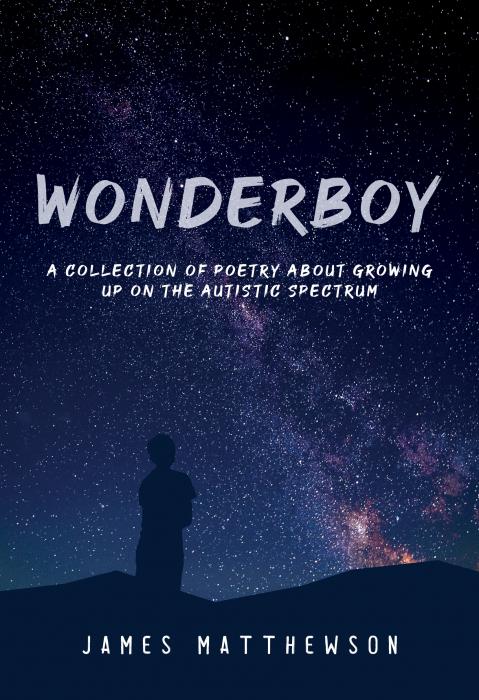
Author and political commentator James Matthewson was diagnosed with Asperger’s Syndrome at the age of twenty, a categorisation of autism spectrum disorder. Upon receiving his diagnosis, Matthewson began to reflect on his experiences growing up as an undiagnosed autistic person, and this rumination birthed poetry that eventually became “Wonderboy”, a collection of poems published by Olympia in August of 2022.
Autobiographical in nature, James chronicles his upbringing through both prose and poetry, illustrating the inner workings of the autistic mind with poems that describe a desire to fit into an elusive mould of “normalcy”, experiencing sensory overload and being misunderstood by peers and teachers.
James is the former spokesman to the Chair of the Labour Party and a commentator on UK politics, and regularly writes for The Times.
You can find “Wonderboy” on our website.
James Baldwin
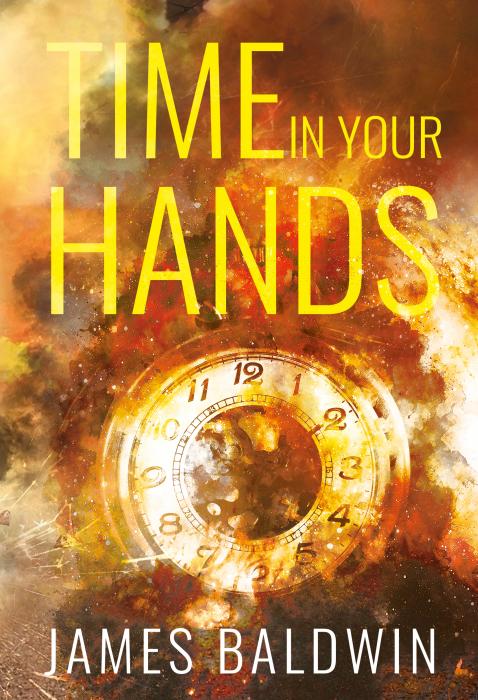
James Baldwin published his debut novella “Time In Your Hands” with us in 2021, a thrilling tale that follows a day in the life of Billy and his sister Beth.
Baldwin is very open about his dyslexia, and states in his author biography that he was taunted by his peers for much of his school life for being dyslexic. This left him with a fear of words, and consequently he did not start reading books until his mid-thirties.
Despite his anxiety surrounding words and literacy, James is a creative through and through, and his mode of expression is storytelling. Much like Nick Love, James crafts stories that are fun and easy to read, using short sentences and simple words. He excels at leaving space for the reader to use their imagination and fully immerse themselves with the tales he tells.
You can find “Time In Your Hands” on our website.
Featured categories
Fiction
Non-fiction
Idiosyncratic Ink-Slingers: Celebrating Neurodiversity in Authors

